Dental health plays an important role in a pet's overall well-being, but oral care is often overlooked. Dogs and cats can experience dental concerns that affect their comfort, eating habits, and quality of life. Regular dental care helps pet owners recognize potential issues early and support healthier teeth and gums throughout their pets' lives.
From routine dental evaluations to professional cleanings, a vet clinic can help address concerns related to plaque buildup, tartar, gum health, and other oral conditions. Understanding the importance of pet dental care allows owners to make informed decisions about maintaining their companion's health.
Understanding Pet Dental Health
Recognizing Dental Structure Differences
Dogs and cats have unique dental structures designed for their individual eating habits. While both rely on healthy teeth for chewing and daily activities, their oral health needs can vary. Some pets may develop plaque or tartar buildup more quickly, while others may show few noticeable signs of dental discomfort.
Understanding these differences can help pet owners recognize the importance of routine dental care. Regular veterinary evaluations allow professionals to monitor changes in a pet's teeth and gums while recommending appropriate care based on the pet's specific needs.
Understanding Plaque And Oral Bacteria
Plaque is a common concern in pet dental health. This sticky buildup forms on teeth when bacteria and food particles collect along the surface. Without proper care, plaque can harden into tartar, which may contribute to gum irritation and other oral health concerns.
Maintaining good dental habits at home and scheduling routine vet clinic visits can help support healthy teeth and gums. According to the American Veterinary Medical Association, many pets show signs of periodontal disease by the time they reach three years old, highlighting the importance of proactive dental care.
Veterinary dental evaluations allow concerns to be identified before they become more advanced. By monitoring changes in breath, eating habits, and overall behavior, pet owners can recognize when additional care may be needed.
Identifying Common Dental Concerns
Plaque buildup, tartar, gum inflammation, and dental infections are common concerns that can affect pets. When these issues are not addressed, they may lead to discomfort, difficulty eating, and other complications.
Broken teeth and oral injuries can also require professional evaluation. A damaged tooth may cause pain or create additional oral concerns if left untreated. Routine dental examinations help veterinarians assess the condition of a pet's mouth and determine whether treatment or preventive care is needed.
Recognizing Signs Of Dental Problems
Pets may not always show obvious signs of dental discomfort, making regular observation important. Bad breath, changes in eating habits, excessive drooling, visible tartar, and sensitivity around the mouth can all indicate potential oral health concerns.
Behavior changes may also provide clues that a pet is experiencing dental issues. A pet that avoids certain foods, seems less interested in activities, or reacts differently when its mouth is touched may benefit from a veterinary evaluation.
Because some dental problems can develop gradually, routine checkups are an important part of identifying concerns early. A vet clinic can evaluate oral health and recommend appropriate treatment options based on the pet's condition.
The Importance Of Dental Care
Scheduling Regular Dental Evaluations
Regular dental evaluations are an important part of maintaining a pet's overall health. These visits allow veterinarians to examine the teeth and gums, monitor changes over time, and identify potential concerns before they become more serious.
Every pet has different dental needs depending on factors such as age, health history, and oral condition. Veterinary guidance can help owners understand how frequently their pet should receive dental care and what steps may support better oral health between visits.
Understanding Dental Examinations
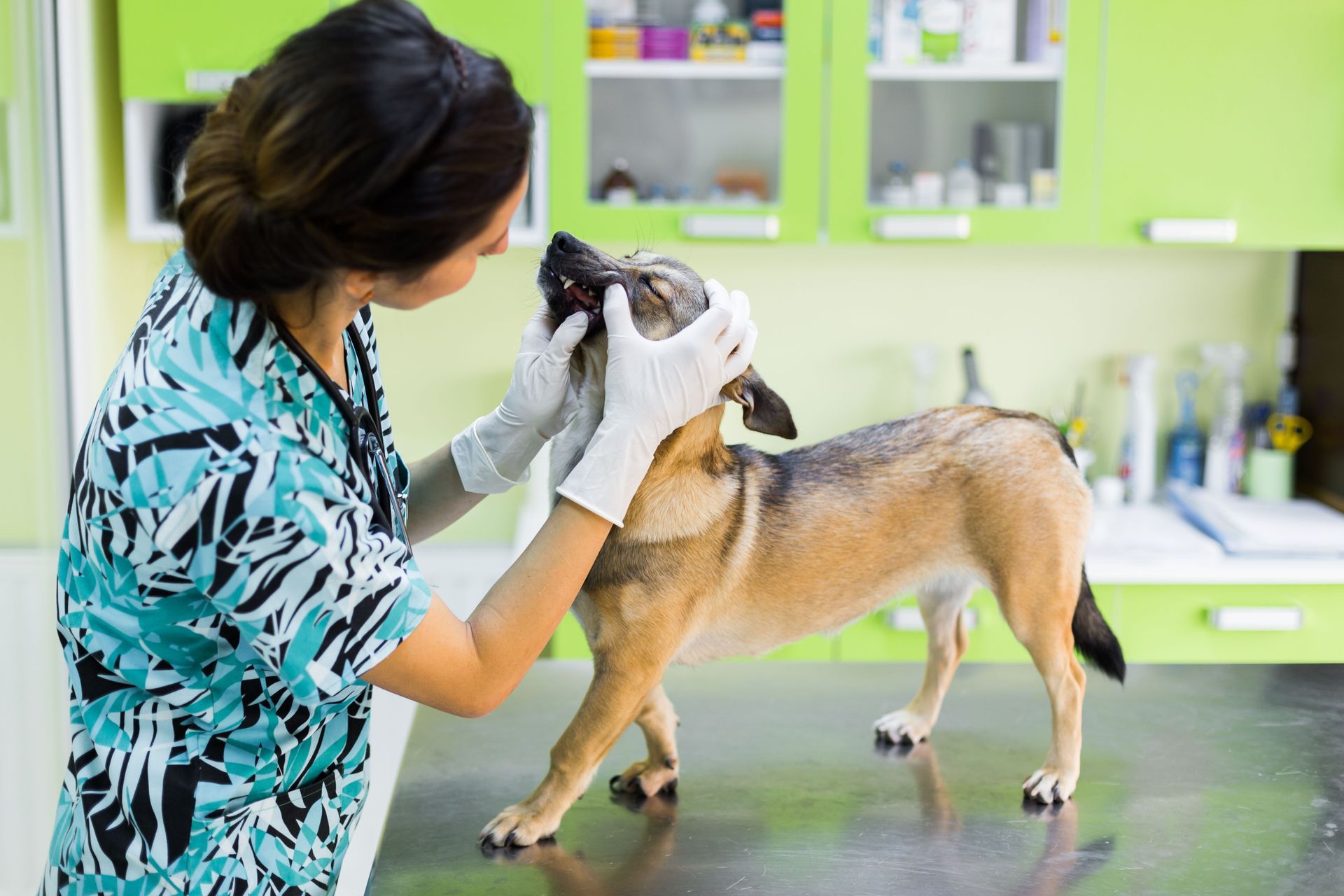
During a dental examination, veterinarians evaluate the condition of a pet's teeth, gums, and oral tissues. These evaluations help identify signs of plaque buildup, tartar, infection, or other concerns that may require attention.
If additional diagnostic testing is needed, veterinarians can use available tools to better understand a pet's condition and determine the appropriate next steps. A thorough evaluation helps create a clearer picture of a pet's dental health and supports informed treatment decisions.
Supporting Oral Health With Professional Care
Professional dental care can address areas that are difficult to manage through home care alone. Veterinary dental cleanings help remove plaque and tartar buildup while allowing the dental team to evaluate the overall condition of a pet's mouth.
Regular professional care can also help veterinarians identify developing concerns and recommend additional services when necessary. Combining professional dental visits with consistent at-home care creates a more complete approach to maintaining healthy teeth and gums.
Maintaining Dental Health Between Visits
Consistent care between vet clinic visits can help support a pet's dental health. Pet owners should monitor for changes such as bad breath, difficulty eating, visible buildup on teeth, or unusual behavior that may indicate discomfort.
Following veterinary recommendations for at-home dental care can help maintain oral hygiene between professional evaluations. A consistent routine, along with regular veterinary care, allows pet owners to stay proactive about their pet's dental needs.
Working With Your Veterinary Team
Veterinary guidance plays an important role in developing an effective dental care plan for pets. During wellness visits and dental evaluations, veterinarians can assess oral health, answer questions, and recommend appropriate services based on each pet's condition.
Regular communication with a veterinary team helps pet owners understand their pet's dental needs and recognize when additional care may be beneficial. By combining professional evaluations with ongoing observation at home, owners can better support their pet's comfort and overall health.
Supporting Pet Dental Care At Home
Choosing Pet-Safe Dental Products
Using products designed specifically for pets can help support a consistent dental care routine. Pet toothbrushes and toothpaste are made with animals in mind and can be incorporated into home care practices when recommended by a veterinarian.
Introducing dental care gradually can help pets become more comfortable with the process. Establishing positive routines and following vet clinic recommendations can make ongoing oral care easier for both pets and owners.
Encouraging Consistent Dental Habits
Maintaining dental health requires ongoing attention. Regular observation, appropriate home care, and professional veterinary evaluations all work together to support healthier teeth and gums.
Pet owners should pay attention to changes in their companion's eating habits, behavior, or oral condition. Recognizing possible concerns early allows veterinary professionals to evaluate the situation and recommend care when needed.
Providing Comprehensive Pet Dental Care
Addressing Dental Concerns Early
Early attention to dental concerns can help prevent minor issues from becoming more advanced. Routine examinations allow veterinarians to monitor oral health and provide services such as professional cleanings, dental treatment, or other recommended care when necessary.
Maintaining healthy teeth and gums contributes to a pet's comfort and quality of life. Regular dental care is an important part of responsible pet ownership and overall wellness.
Choosing A Veterinary Partner For Dental Needs
Pet owners looking for comprehensive veterinary care can benefit from working with a team that offers preventive services, diagnostics, dental care, surgery, and treatment options for a variety of health concerns. A complete approach helps ensure pets receive appropriate attention throughout every stage of life.
242 Animal Hospital is a vet clinic with services for dogs and cats, including dental examinations, professional cleanings, tooth extractions, and dental surgery. With a focus on preventive care and personalized treatment, their team helps pets receive the attention they need to support long-term health.