Knowing when to schedule veterinary care is an important part of responsible pet ownership. Recognizing changes in behavior, health, and daily habits helps ensure pets receive timely attention and support for a healthier life.
Recognizing Changes in Your Pet’s Behavior
Changes in your pet’s normal behavior are often one of the first signs that something may be wrong. A normally energetic animal that suddenly becomes withdrawn, restless, or unusually quiet may be experiencing an underlying health concern. Pets often communicate discomfort through changes in their habits rather than obvious symptoms. Visiting a local vet clinic when these behavioral changes appear allows experienced veterinary teams to evaluate possible causes and provide appropriate guidance. Early attention can help identify concerns before they become more serious. Paying attention to your pet’s personality and routine plays an important role in maintaining overall wellness.
Schedule a Visit for Regular Wellness Exams
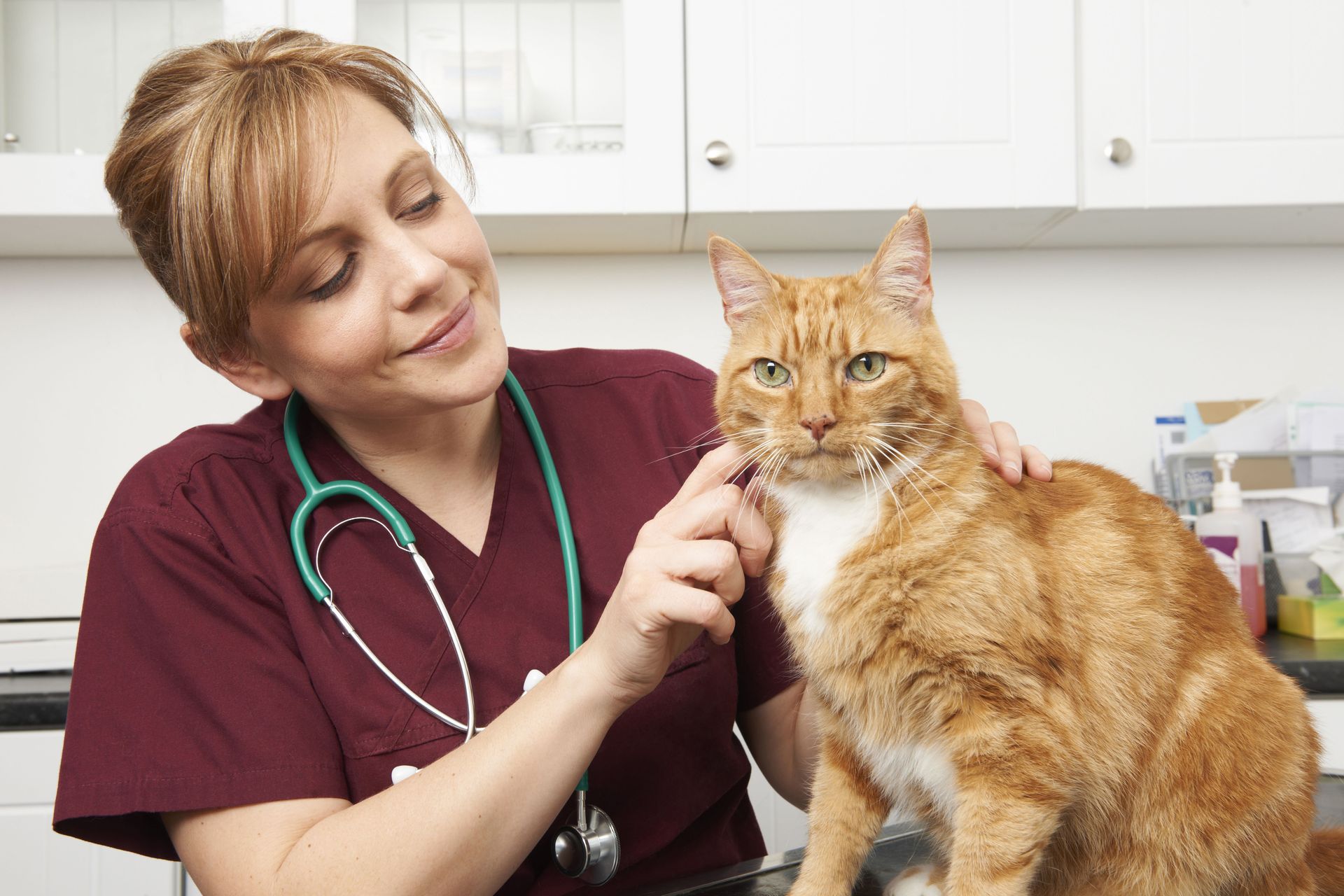
Routine veterinary visits are essential even when pets appear healthy because many health concerns are easier to address when detected early. Wellness exams allow veterinary professionals to evaluate your pet’s overall condition, discuss preventive care, and track changes over time. These appointments provide an opportunity to review nutrition, activity levels, and age-related health considerations. According to The Vet Service, 71% of U.S. households own a pet. Because so many families rely on pets for companionship, maintaining consistent veterinary care supports healthier and happier relationships. A local vet clinic can help establish a wellness schedule based on your pet’s age, breed, lifestyle, and individual needs.
Seek Care When Your Pet Experiences Appetite Changes
A sudden change in eating habits can indicate that your pet may need veterinary attention. While occasional fluctuations can happen, refusing food, eating significantly less, or showing unusual hunger may point to health concerns. Changes in appetite may be related to dental issues, digestive problems, stress, or other medical conditions. A vet clinic can assess these symptoms and determine whether further evaluation is needed. Tracking when appetite changes occur and noticing additional symptoms can provide helpful information during the appointment. Prompt veterinary care helps ensure your pet receives appropriate support when their eating habits change.
Pay Attention to Unusual Weight Changes
Unexpected weight loss or weight gain can be a sign that your pet’s health needs professional attention. Gradual changes may sometimes go unnoticed, especially in animals with thick coats or less active lifestyles. Significant weight changes can be associated with nutrition concerns, metabolic issues, or other underlying conditions. Veterinary professionals can evaluate your pet’s body condition and recommend strategies to support a healthy weight. Visiting a local vet clinic provides access to professional guidance tailored to your pet’s specific needs. Maintaining a healthy weight contributes to improved mobility, energy, and quality of life.
Know When Vomiting or Digestive Problems Need Attention
Occasional digestive issues may happen, but repeated vomiting, diarrhea, or changes in bathroom habits should not be ignored. Persistent digestive symptoms can lead to dehydration and may indicate that your pet needs medical evaluation. Paying attention to the frequency, appearance, and duration of symptoms can help veterinary professionals better understand what is happening. A local vet clinic can provide recommendations and evaluate whether additional testing or treatment may be appropriate. Quick action is especially important when digestive concerns are accompanied by weakness, discomfort, or changes in behavior. Addressing digestive issues early supports better outcomes and improved comfort for your pet.
Watch for Signs of Pain or Discomfort
Pets often hide signs of pain, making subtle changes important to recognize. Limping, difficulty moving, reluctance to climb stairs, excessive licking, or changes in sleeping patterns may indicate discomfort. Animals may also become less social or react differently when touched in certain areas. A vet clinic can help determine whether these behaviors are related to injury, aging, or another health concern. Professional evaluation allows pet owners to better understand their companion’s needs and provide appropriate care. Recognizing pain early can help improve your pet’s comfort and mobility.
Understand When Skin and Coat Changes Require Veterinary Care
Your pet’s skin and coat can provide valuable clues about overall health. Excessive scratching, hair loss, unusual odors, lumps, or irritated skin may indicate that veterinary attention is needed. These changes can result from allergies, parasites, infections, or other conditions that require professional evaluation. A local vet clinic can examine skin concerns and recommend appropriate solutions based on your pet’s condition. Maintaining healthy skin contributes to your pet’s comfort and overall well-being. Addressing changes early can prevent minor concerns from becoming more complicated.
Know When Your Pet Needs Emergency Veterinary Care
Some situations require immediate veterinary attention because delays may put your pet’s health at greater risk. Severe injuries, sudden collapse, poisoning, seizures, uncontrolled bleeding, or extreme breathing difficulties are examples of situations that should be evaluated quickly by experienced veterinary professionals. Understanding emergency warning signs helps pet owners make informed decisions when urgent care is needed. A local vet clinic can provide guidance on emergency concerns and help determine the appropriate level of care. Having a plan in place before a crisis occurs can make stressful situations easier to manage. Quick action during emergencies can make an important difference in protecting your pet’s health and safety.
Monitor Changes in Energy and Activity Levels
Your pet’s energy level can reveal important information about their overall health and well-being. A sudden decrease in activity, reluctance to play, or unusual fatigue may indicate that something has changed physically or emotionally. While pets naturally slow down as they age, noticeable differences from their normal behavior should be discussed with a veterinary professional. Visiting a vet clinic allows your pet to receive an evaluation that considers their age, history, and lifestyle. Early attention can help identify potential concerns and support better long-term health management. Keeping track of activity changes helps owners recognize when professional care may be beneficial.
Take Dental Health Concerns Seriously
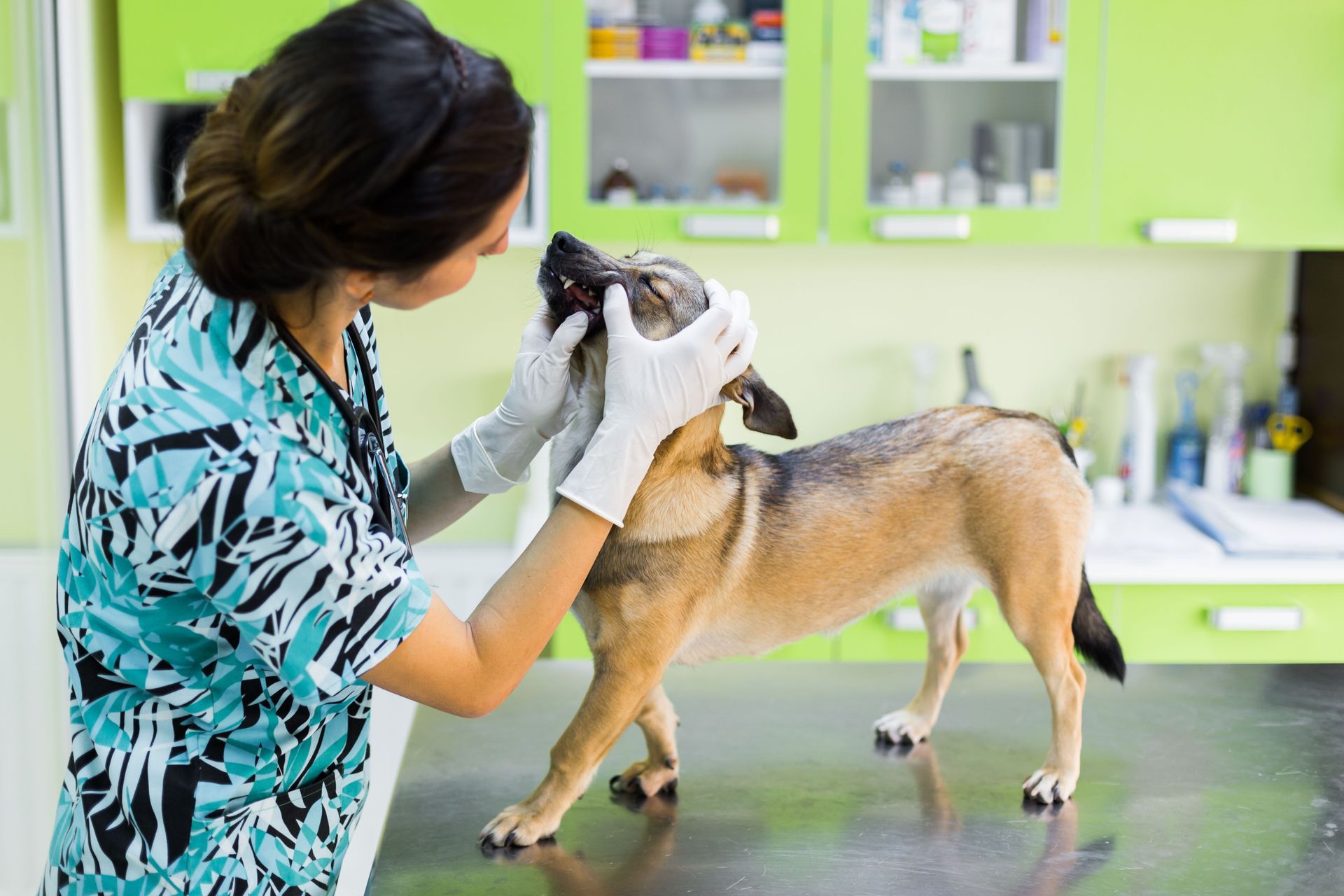
Dental problems are common among pets and can affect their comfort, eating habits, and overall wellness. Signs such as bad breath, difficulty chewing, excessive drooling, or pawing at the mouth may indicate that your pet needs veterinary attention. Oral health concerns can progress over time and may contribute to additional health complications if left unaddressed. A local vet clinic can evaluate your pet’s dental condition and recommend appropriate care options. Regular veterinary attention helps maintain healthier teeth and gums throughout your pet’s life. Supporting dental wellness is an important part of comprehensive pet care.
Keep Vaccinations and Preventive Care Current
Preventive veterinary care helps protect pets from many common health concerns and supports their long-term wellness. Vaccinations, parasite prevention, and routine health evaluations are important parts of keeping pets healthy at every stage of life. Veterinary professionals create preventive care plans based on factors such as age, lifestyle, and exposure risks. Visiting a local vet clinic regularly ensures your pet’s preventive needs are reviewed and updated when necessary. Staying consistent with recommended care helps reduce avoidable health risks. Preventive appointments also provide valuable opportunities to discuss any concerns that may have developed since the previous visit.
Recognize When Your Pet’s Routine Changes
Changes in your pet’s everyday routine can sometimes indicate that a health issue is developing. Alterations in sleeping patterns, bathroom habits, social behavior, or reactions to familiar activities should be observed carefully. Pets often adjust their behavior when they are uncomfortable, stressed, or experiencing physical changes. A local vet clinic can help determine whether routine changes are connected to health concerns or other factors. Discussing these observations with veterinary professionals provides valuable insight into your pet’s condition. Staying aware of daily habits allows owners to respond sooner when something seems unusual.
Knowing when to take your pet to the vet helps ensure timely care and supports a healthier, happier life. Regular visits, attention to changes, and a reliable veterinary relationship provide the foundation for lifelong pet wellness. For those in the Conroe, TX area, contact our team at 242 Animal Hospital to schedule an appointment.