No one wants to imagine their beloved pet facing a sudden health crisis. However, unexpected situations can arise at any moment, and being ready to handle them makes all the difference in your pet's recovery. The initial moments of an illness or injury are often filled with panic, making it difficult to think clearly. By taking proactive steps right now, you ensure that you remain calm and capable when your furry friend needs you the most. Understanding how to handle stressful events allows you to act swiftly, minimizing pain and preventing a situation from worsening. The key to a successful medical outcome often lies in the preparation done long before any incident occurs. Having a clear mindset and a solid strategy empowers you to seek help without delay. Whether you are dealing with a minor injury or a severe physical trauma, knowing exactly when to consult an emergency veterinarian is a crucial part of responsible pet ownership.
Recognizing the Warning Signs of Trouble
It is essential to understand when a situation requires immediate medical attention versus when it can wait for a scheduled appointment. Animals are incredibly adept at hiding their pain, a strong survival instinct inherited from their wild ancestors. Because of this natural tendency, even subtle changes in behavior or physical condition can indicate a severe underlying issue. You should monitor for signs such as persistent vomiting, severe lethargy, difficult breathing, or the inability to stand or walk. Sudden aggression or excessive hiding can also be a massive red flag that your pet is experiencing internal distress.
If you notice pale gums, a highly swollen abdomen, or uncontrolled bleeding, seek professional help right away. Familiarizing yourself with your pet's normal baseline health is the best way to quickly identify when something is wrong. When you observe physical symptoms that seem out of character or exceptionally severe, it is always safer to contact an emergency veterinarian for guidance. Delaying care in these critical moments can lead to dangerous complications, so trusting your instincts and reacting quickly is vital. Acting with a definitive sense of urgency ensures your companion receives a professional evaluation before a condition becomes life-threatening.
Assembling a Comprehensive Pet First Aid Kit
Every home with a pet should be fully equipped with a specialized first aid kit to handle minor injuries or stabilize a pet before medical transit. While you might already have a standard kit for the humans in your household, pets require specific items tailored to their unique biology. Start by gathering sterile gauze pads, medical adhesive tape, and non-stick bandages to manage active bleeding or protect open wounds. You will also need sturdy, blunt-tipped scissors to safely cut tape or remove tangled debris from fur without risking a skin puncture. Having these essential supplies organized in a portable container ensures you are not frantically scrambling during a high-stress crisis. Bringing this well-stocked kit along when you securely transport your pet to an emergency veterinarian can provide vital additional support during the anxious journey.
Establishing an Action Plan for Sudden Crises
When unexpected medical chaos strikes, having a clearly predefined plan of action helps eliminate dangerous hesitation and ensures a rapid response. You should constantly maintain an updated list of vital contact information securely attached to your refrigerator or saved as a favorite contact in your phone. This essential list must clearly include the direct phone numbers for your regular daytime clinic, the local pet poison control hotline, and an emergency veterinarian. Additionally, you should physically map out the absolute fastest driving route to the nearest animal clinic, taking careful note of potential traffic patterns during different times of the day.
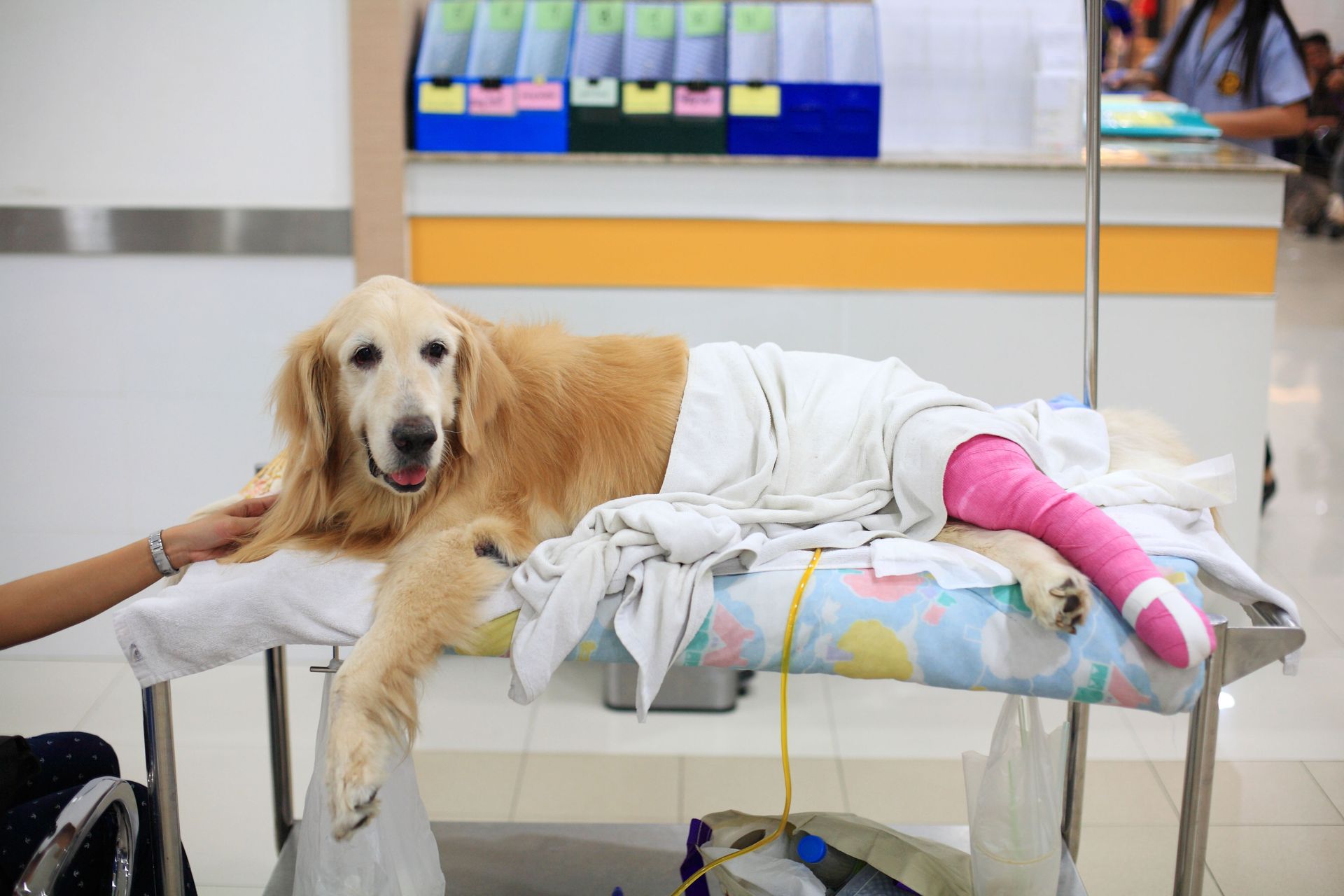
Knowing exactly where to go and precisely how to get there greatly reduces transit time, which can be critical for severe injuries. It is also incredibly important to consider the exact nature of the medical visits that typically occur during spontaneous crises. According to Gitnux, 20% of all animal hospital and clinic visits are for surgery. Because these surgical interventions require immediate and precise care, your action plan should always involve a safe method for carefully loading and transporting an injured animal to the facility. Practice gently placing your pet in their secure carrier or safely lifting them into the back of your vehicle so that the stressful process is smooth when it matters most. Assigning specific roles to household members streamlines the entire high-pressure process.
Understanding Financial Options for Sudden Care
Sudden medical crises often bring unexpected expenses, and worrying about finances should never delay critical treatment for your pet. Specialized treatments, advanced diagnostics, and overnight hospital stays can accumulate costs rapidly. To alleviate financial stress, many pet owners choose to invest in reliable pet health insurance, which can offset a significant portion of the final bill. If you opt for medical insurance, review the specific policy incredibly carefully to fully understand exactly what types of crises are covered and exactly how the reimbursement process works. Alternatively, creating a dedicated personal savings account specifically intended for pet-related expenses provides a remarkably reliable safety net.
Consistently setting aside a manageable amount each month steadily builds a strong fund that can entirely cover sudden diagnostic tests or unexpected surgical treatments. You can also actively research third-party financing companies that happily offer specialized credit lines exclusively for veterinary care, providing incredibly flexible payment terms during deeply stressful times. When you arrive at the clinic, be upfront and honest about your specific financial constraints so the dedicated staff can efficiently prioritize the most crucial diagnostics. Having a clear financial strategy allows you to seamlessly focus entirely on your pet's recovery rather than the heavy monetary impact of visiting an emergency veterinarian.
Communicating Effectively with Medical Professionals
Clear, calm, and accurate communication with medical staff is vital to ensuring your cherished pet receives the best possible care. When you arrive at the clinic, try to remain calm while detailing the specific symptoms you have personally observed. Provide a concise timeline of recent events, clearly including exactly when the symptoms began and if they have progressively worsened over a short period of time. You should always remember to bring a physical copy of your pet's complete medical records, including their recent vaccination history and a detailed list of any specific medications they are currently taking.
If your curious pet accidentally ingested a toxic substance or a dangerous foreign object, directly bring the remaining packaging or the leftover pieces of the object to quickly show the professional staff. Be highly prepared to accurately answer specific questions about your pet's recent daily diet, bathroom habits, and overall daily energy levels. It is completely normal to feel deeply overwhelmed, but staying highly focused on clearly providing accurate information helps the medical team quickly formulate a proper, accurate diagnosis. Asking clarifying questions about the proposed detailed treatment plan consistently ensures you fully understand the medical procedures. Maintaining an open dialogue with the emergency veterinarian fosters a highly collaborative approach to your pet's ongoing treatment and healthy recovery.
Being thoroughly prepared for unexpected health issues is undeniably one of the most important responsibilities of dedicated pet ownership. By proactively recognizing subtle warning signs, carefully preparing a comprehensive first aid kit, and having a solid, actionable plan completely in place, you can actively protect your furry companion when they desperately need it the most. Staying consistently calm and acting extremely decisively ensures that your cherished pet rapidly receives the swift care absolutely necessary for a complete and full recovery. Your highly proactive efforts made today will consistently make a profoundly positive difference in the face of tomorrow's frightening uncertainties. If you have deep concerns about your pet's overall health or simply want to actively discuss a completely customized safety plan, directly reaching out to an emergency veterinarian can provide highly valuable guidance. Call 242 Animal Hospital today to learn more and consistently ensure your pet is always fully protected from unexpected harm.