June 17, 2026
Bringing a new dog home is an exciting experience, but it comes with essential responsibilities to ensure your furry friend stays healthy. Understanding how to care for your companion's physical, mental, and emotional health is crucial for long-term happiness. Comprehensive care involves more than basic feeding and walking; it requires proactive management of their entire well-being. By establishing a relationship with a reliable local vet clinic, you can significantly improve your pet's quality of life.
Provide Proper Nutrition
Selecting the right food establishes a foundation for your dog's lifelong wellness. A high-quality, age-appropriate diet fulfills the specific nutritional requirements necessary for steady growth and development. It is wise to review the ingredient list to ensure premium protein sources are prioritized. Consulting your local vet clinic offers excellent clarity regarding the best brands and precise portion sizes.
Some dogs develop unique dietary needs due to underlying medical conditions or sudden allergies. Issues like diabetes or skin sensitivities require specialized recipes to keep your pet stable. Missing critical nutrients can quickly manifest as a dull coat, excessive shedding, or severe lethargy. When you notice these physical changes, scheduling a professional evaluation is the safest course of action.
Treats and wellness supplements can complement a standard diet when utilized in moderation. Rewards are fantastic tools for positive reinforcement during training sessions, but they should never overshadow balanced meals. Certain dogs benefit from essential fatty acids or probiotics to support joint and gut health. Seek professional guidance before introducing extras to avoid harmful nutrient imbalances and protect systemic health.
Encourage Regular Exercise
Regular physical activity keeps your dog at a healthy weight and wards off various ailments. Daily exercise requirements fluctuate based on age and breed, meaning active retrievers require more movement than smaller companion breeds. Incorporating diverse activities like fetch, swimming, and hiking provides wonderful physical conditioning. Indoors, interactive toys ensure your canine stays active even during inclement weather conditions.
Monitoring your dog for signs of overexertion is critical because dogs cannot verbally communicate exhaustion. Excessive panting, heavy drooling, or a sudden reluctance to walk indicate that your pet needs immediate rest and hydration. Environmental conditions also dictate how you should manage daily activities. Summer heat demands early morning walks, while freezing winter temperatures require protective paw care routines.
Socialization serves as an essential component of a well-rounded physical fitness regimen. Arranging safe playdates or visiting open parks allows your dog to burn energy while developing crucial social skills. If you are uncertain how to safely socialize an anxious dog, the staff at a local vet clinic can provide excellent behavioral advice and recommend safe exercise strategies.
Schedule Veterinary Care
Routine veterinary visits form the absolute cornerstone of proactive health management for your new pet. Regular check-ups permit the early detection of underlying issues before they turn into serious medical emergencies. These appointments ensure your dog remains current on life-saving vaccinations that protect the community. Relying on a trusted local vet clinic for consistent assessments is the most effective way to extend your dog's lifespan.
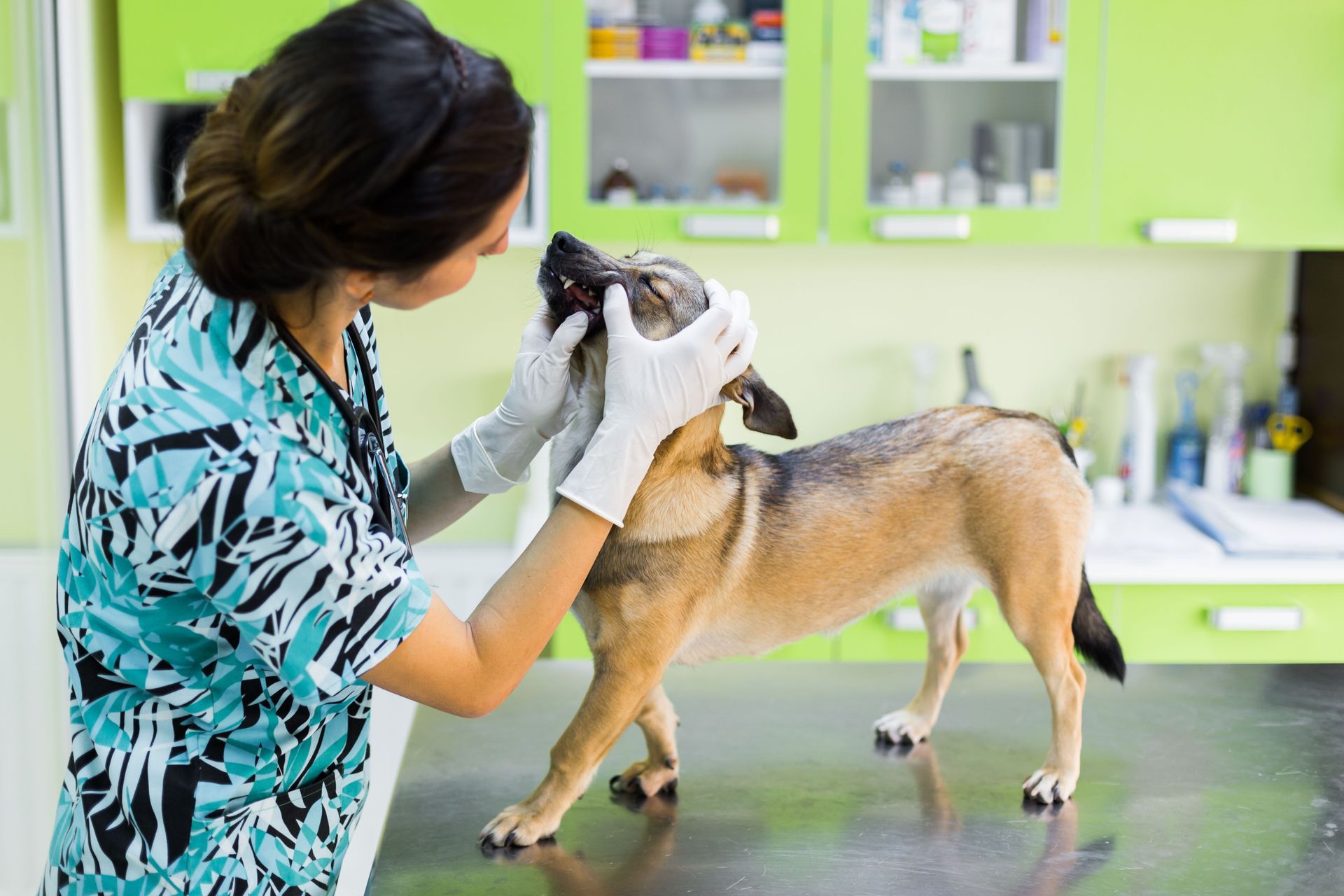
Defending your dog against external and internal parasites is vital for maintaining comfort and preventing severe internal damage. Fleas, ticks, and heartworms cause significant distress and spread dangerous infections if left unaddressed. Comprehensive protection requires year-round preventative medications. Oral hygiene requires equal diligence, as plaque buildup causes painful gum disease, making regular brushing and professional cleanings essential for safeguarding your dog's health.
Recognizing early warning signs of illness allows you to seek timely medical intervention. Symptoms like persistent vomiting warrant an immediate trip to your local vet clinic for an evaluation. According to a Forbes report, the three primary health worries for pup parents involve vehicular accidents, conflicts with other creatures, and the accidental consumption of hazardous foreign items. Vigilance enables you to react swiftly.
Maintain Good Hygiene
Establishing a predictable grooming routine preserves your dog's skin health and overall cleanliness. The required grooming frequency depends largely on coat type, but regular brushing remains universal for controlling shedding and preventing painful mats. Bathing is equally important, though overbathing risks stripping natural oils and causing severe skin irritation. Utilizing the professional bathing services at a local vet clinic can be a helpful alternative.
Neglecting basic nail trimming and ear cleaning can quickly lead to painful physical complications. Overgrown nails alter a dog's natural gait, causing skeletal discomfort and increasing injury risks. Meanwhile, moisture and debris accumulation in the ear canals create perfect environments for harmful bacterial infections. Cleaning the ears gently with approved solutions keeps these painful ear infections at bay.
Selecting appropriate grooming products is essential for protecting your dog from chemical irritation. Human shampoos possess improper pH levels that disrupt a dog's skin barrier, making dog-specific formulas mandatory. Investing in high-quality brushes, sturdy clippers, and safe ear washes makes home hygiene routines highly efficient. Keeping your dog clean simplifies health tracking by making skin abnormalities instantly visible.
Support Mental Health
A dog's mental health directly influences their outward behavior and physical vitality. Providing a stable home environment reduces emotional distress and stops the development of compulsive habits. Brain stimulation is vital for preventing boredom, which frequently manifests as destructive chewing. Integrating puzzle toys and interactive games into the daily schedule keeps their minds sharp and satisfies their natural canine curiosity.
Identifying signs of stress or separation anxiety allows you to address emotional struggles early. Persistent pacing or whining indicates a dog is experiencing severe psychological discomfort. Consistent commands eliminate situational confusion, allowing your pet to feel secure. If anxiety symptoms worsen, consulting a professional behaviorist or visiting a local vet clinic can provide excellent, customized relief strategies.
Creating a dedicated safe zone inside your home gives your dog a secure retreat during stressful events. A quiet corner equipped with a comfortable bed helps lower stress levels during thunderstorms or lively social gatherings. Removing household hazards like accessible electrical cords protects your pet from accidental self-harm, promoting long-term behavioral stability, emotional resilience, and peace of mind.
Understand Canine Behavior
Deciphering canine body language is paramount for understanding your dog's changing emotional states. Ear positions, tail posture, and subtle movements offer clear clues regarding whether a dog feels relaxed, threatened, or excited. Combining clear verbal commands with consistent physical cues establishes an effective communication framework. Clear communication prevents confusion, building deep mutual trust and streamlining the training process.
Addressing common issues like excessive barking or resource guarding requires identifying the underlying trigger. Behavioral problems usually stem from insufficient physical outlets or a lack of structured guidance. Modifying your daily routines or modifying the immediate environment can alleviate many disruptive habits naturally. Relying on patient training techniques ensures your dog learns alternative, desirable behaviors effectively without experiencing fear.
Introducing your new dog to other animals correctly expands their social horizons and mitigates future aggression. Controlled exposure during structured playdates or organized daycare sessions reinforces positive peer interactions. If serious behavioral issues persist despite your best efforts, seeking advice from a local vet clinic is highly recommended. Professional behavioral support helps transform challenging habits into polite actions.
Nurturing your new dog's health requires consistent attention to their physical, mental, and emotional needs. Prioritizing proper nutrition, regular exercise, routine hygiene, and mental enrichment ensures your companion enjoys an exceptional quality of life. Remaining vigilant for early signs of illness allows you to address complications before they escalate, creating a safe environment where your pet can truly flourish. To establish a preventative care plan for your furry family member, we invite you to reach out to our dedicated team at 242 Animal Hospital.